When a development threatens what makes our region special, we rally the community to respond: calmly, factually, and together. This page lists the campaigns we're asking you to get behind.
Campaign 1: Stop the fast food development at Kurmond
Status: Active. Your help is needed now. Development Application DA0060/26 proposes two drive-through fast food outlets, understood to be a McDonald's and a KFC, together with a childcare centre, on Bells Line of Road at Kurmond: a $14.8 million development on land zoned RU1 (Primary Production), land our planning rules set aside for farming and rural life. The Smart Growth Alliance opposes this application and is rallying the community to help stop it.
Why we're fighting it
Road safety comes first
Bells Line of Road here is an 80 km/h rural arterial with narrow shoulders, crests that limit visibility, and a documented crash history. Transport for NSW's own corridor study recorded hundreds of crashes along the route, including fatalities. Drive-through outlets generate constant slowing, queuing and turning traffic. That mix of high-speed through-traffic and stop-start local movements is a serious safety risk for everyone who uses this road every day.
Our kids at Colo High School
Around 1,000 students attend Colo High School nearby. There is no footpath or safe crossing on this stretch of road, yet fast food outlets will inevitably draw students across a high-speed arterial before school, at lunch, and after school. That is a foreseeable risk to young people that no development should create.
The character of our region
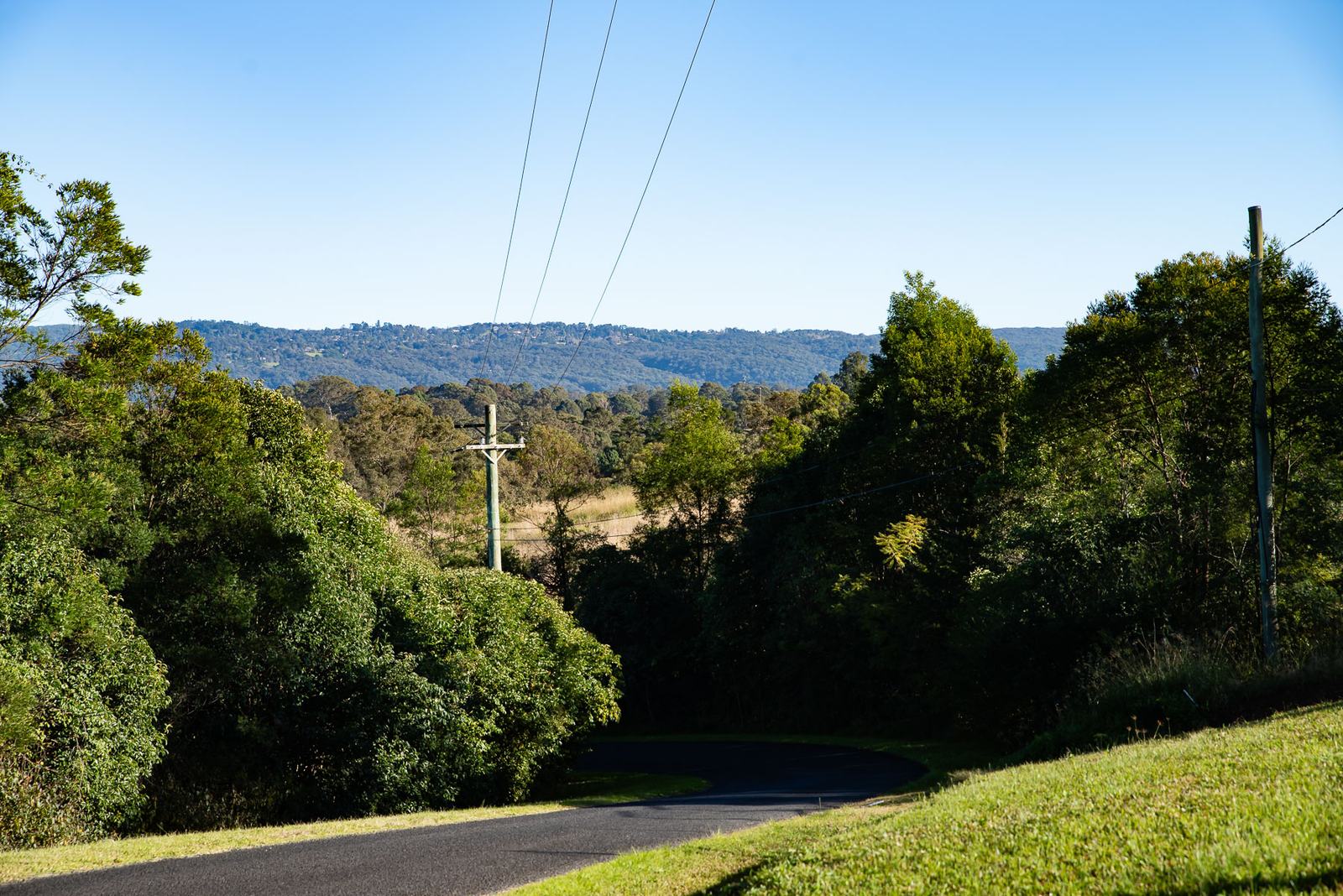
With its open paddocks, working farms, bushland and valley views, this stretch of Bells Line of Road is the gateway to our region and part of a recognised tourist route across the Blue Mountains. Illuminated corporate signage and flood-lit car parks belong in commercial centres like North Richmond, which have the zoning and infrastructure for them, not in an open rural landscape.
Our wildlife
Our area is home to a genetically unique local koala population that cannot simply be moved elsewhere, along with abundant birdlife and native animals. More traffic, light and litter on this corridor puts more pressure on the wildlife that makes this place special. There is something practical you can do about this one, and it takes a couple of minutes: record the koalas you see.
Key dates
- The conciliation conference (an on-site meeting with a court-appointed commissioner) is confirmed for 9:30am, Wednesday 9 September 2026, on site at Kurmond. Only a limited number of speakers from the public can be heard, so we will share how to take part as arrangements are settled.
- Council continues to accept objections, so it's not too late to make yours.
How to rally behind this campaign
- Add your voice to our supporter list. Numbers show the strength of community feeling.
- Lodge your own objection with council, in your own words. Individual letters carry far more weight than petitions.
- Tell a neighbour. Most people simply haven't heard about it yet.
- Print our A4 flyer (PDF) and put one on a community notice board, at work, or at your local shop. It sets out the facts and carries a QR code back to this site.
- Record any koala you see in the I Spy Koala app, so our local koalas show up in the database developers and government check first.
Help protect our koalas
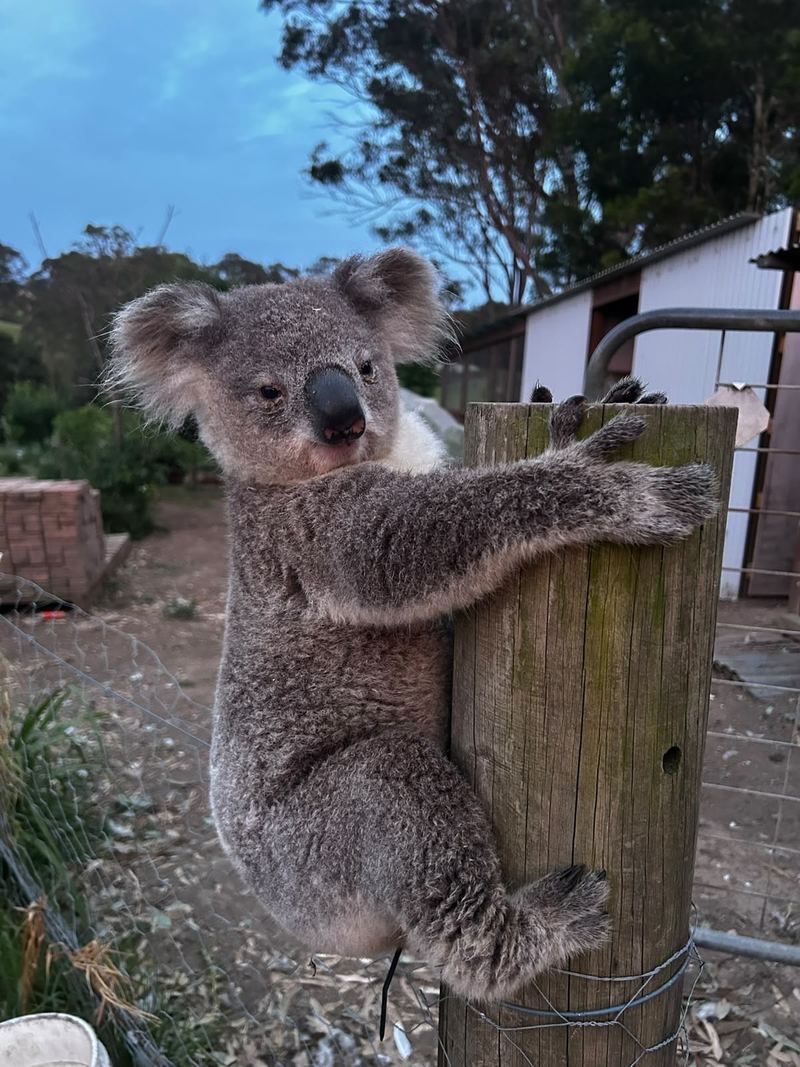
Residents see koalas here regularly. What an environmental assessment relies on, though, is not what neighbours have seen: it is BioNet, the NSW Government's biodiversity database. BioNet is the first place developers and government look when working out whether koalas are present on a site and whether a more thorough assessment is needed.
Locals tell us that most of the recent koala sightings near this part of Bells Line of Road do not appear in BioNet. A sighting that isn't in the database can't inform a decision.
There is a simple fix, and anyone can do it: record what you see in I Spy Koala, the NSW Government's free app for iPhone and Android. Records entered there are uploaded to BioNet each month, so they reach decision-makers quickly. Wildlife rescue groups such as WIRES do pass their records on, but generally only once a year, which can mean a lag of 12 to 18 months, too slow to help with a development being assessed now.
You don't need a koala in a tree in front of you to have something worth recording. The app takes koalas you have seen or heard, and indirect evidence as well: scats (droppings, often at the base of a feed tree), scratch marks on trunks, and camera footage. Adding a photograph helps the record be verified, and an accurate date and location matter most.
If a koala is injured or in distress, don't stop to log it: call WIRES on 1300 094 737 straight away. You can add the record afterwards.
What's next
This won't be the last decision that shapes our region. Much larger development proposals are on the horizon, including major residential plans along the river. As new campaigns take shape, we'll list them here. Join the supporter list to hear about them first.